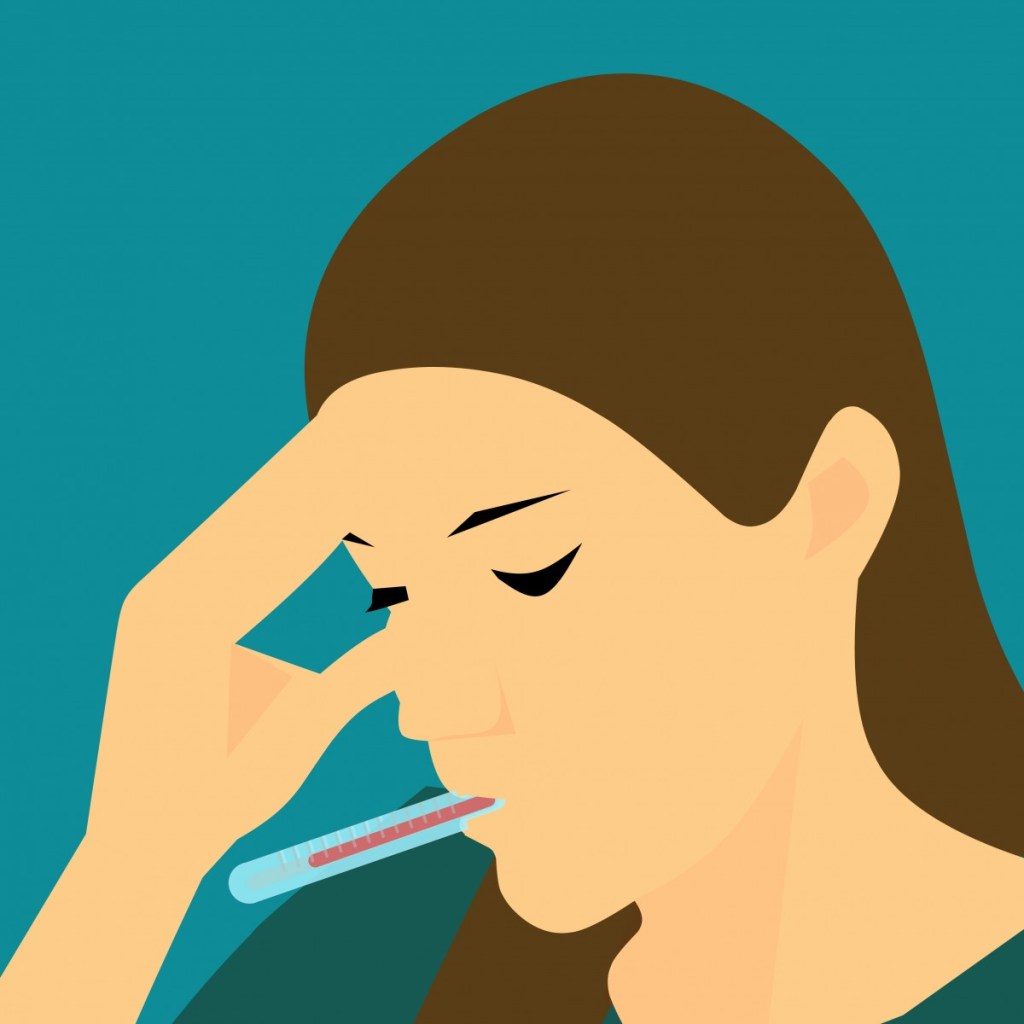
So, you just got the call. That massage appointment you’ve been looking forward to for weeks is canceled, and your massage therapist is out sick. What now? Where will you find that sweet, sweet relief you were anticipating?
You can tough it out another week, probably. And you can pop a couple more Tylenol. You can curl up into a ball and curse the person who coughed on your massage therapist. But is any of these likely to make a dent in the discomfort you’re living with currently?
First, it’s worth asking your massage therapist if they have any colleagues who may have openings for you. A good massage therapist will have no qualms about sending their clients to another professional; the client’s well-being supersedes any market competition they may perceive. If you’re in pain, don’t hesitate to inquire about others with a similar style and price range. This is also great information to have in future instances when your preferred provider is ill, out of town, or unable to accommodate you for any reason.
When getting a professional massage just isn’t an option, here are some ways to still find relief and experience a few of the benefits of massage. While none of these tips will replace the treatment you’re used to, they may be effective enough to add to your regular self-care routine for relief in a pinch.
Get to a (gentle) yoga class.
Yoga has been shown to lower risks of cardiovascular disease, reduce pain, and foster an overall sense of well-being and connectedness with other people. A gentle yoga class can teach you some ways of moving your body in a low-impact way, so you can get the benefits of stretching without putting strain on your muscles or joints. Many yoga studios even have themed classes to help with back pain, recovery from injuries or surgery, or pre-and postnatal care. You can also find instructional yoga videos on YouTube, but unless you’re a more experienced yoga practitioner it’s often best to try yoga movements with a knowledgeable teacher present to prevent injury.
Like getting a massage, practicing yoga has many mental health benefits such as lowering depressive symptoms and anxiety. Going to a yoga class can also help simply by reinforcing your coping mechanisms–that is, by taking a proactive step toward your health care, you are taking control over your own pain and overall health. This alone can help you feel better!
Get a partner or friend to try their hand(s).
Thousands of years ago, the first people who practiced massage did so without any of the academic resources we now have to understand anatomy and the human body. Early massage took just one person’s hand and a healing intent–and it was successful enough to create the foundations of the industry we now respect as massage therapy. Depending on the type of pain or discomfort you’re experiencing, you may be able to feel some benefit simply from having a friend or loved one place their hand on the area of concern and take some deep breaths with you.
While it’s not likely to be the same as having an hour or more of your massage therapist’s dedicated attention, the experience of having a friend offer time and touch can have similar effects. You may notice lessened pain, greater ease of movement, or more optimism after having a friend try their hand at healing touch. Studies show human touch can lower blood pressure, reduce anxiety about health concerns, and promote calmer moods.
Practice some self-massage.
Depending on your background, you may think your knowledge of anatomy and physiology elementary, at best. But only you are the true expert of living in your body and caring for it. Take a moment to appreciate that the way you have protected and nurtured your health has gotten you this far–even when you’ve involved professionals along the way.
Start by lying on your back with knees bent or a with bolster of some kind under your legs. If the areas of concern around your body are relatively easy to reach, try simply resting one or both hands there. If you can’t access spots of soreness or tension lying down, get as comfortable as you can as you reach those places and gently massage in slow, deliberate motions.
Avoid the impulse to massage with as much pressure or force as you can muster. Self-massage (and self-care in general) is about delivering as much relief and comfort as possible, not attempting to push through a threshold of even more intense pain. As I often repeat to my clients, “massage doesn’t have to hurt to be effective.”
Stimulate light blood flow through movement…
If you’re a regular exerciser, you might already be in the practice of moving your body every day or nearly every day. If you’re not, or you haven’t been able to because of some discomfort, try some light to moderate activity. A short walk, some easy stretching, or even a few chores around the house can facilitate better muscle function and reduced pain. There’s no need to push yourself to any extremes or go for any records. You’re not even trying to raise your heart rate; this movement is just about stimulating blood flow and getting some fluid moving through your joints.
This is also a good opportunity to do any stretches, exercises, or other movements that have been recommended to you by your health care team. If it’s been a while since you dug out the therapy balls or rubber exercise bands they suggested, now might be a great time to refresh yourself on using them.
…or through hydrotherapy.
Aside from stretching and moving around, there are some other ways to stimulate targeted blood flow to an area using temperature. You probably already have the tools you need in your kitchen or bathroom: ice packs, heating pads, a bucket or large mixing bowl, and a bathtub.
First, a general rule: If you know your area of concern is inflamed, swollen or puffy, hot to the touch, or throbbing, please use caution and DO NOT apply heat to this area. If you are worried about any of these factors, please consult your doctor or visit an emergency room to get the area checked out by a medical professional.
A hot bath with Epsom salts can work wonders for muscle aches or general body soreness. Draw a hot bath to your comfort level (usually 103-106 degrees) and add Epsom salts, bubbles, essential oils, a bath bomb, or whatever else feels most therapeutic for you. Be aware essential oils can accumulate on the surface of the bath and can burn skin at high temperatures. If you choose to use essential oils, add a bit of liquid soap to the bath and keep the water moving as you get in. Because hot water can be dehydrating, it’s best to get out of the bath after about 20 minutes.
If you aren’t able to take a bath, a microwavable heat pack or electric heating pad may soothe muscles aches. Follow the same guidelines as for bathing, and remove any direct heat after about 20 minutes. For ultimate blood flow to an area of pain or tension, alternate heat and ice, always ending with ice on the area.
Try a meditation for self-healing.
For the purposes of this tip, meditation might mean anything from traditional Buddhist meditation, to meditative writing, to listening to a guided meditation prompt. Research has shown meditation can be a powerful tool for personal healing, growth, and change. Because it takes many different forms, its effects can be varied and far-reaching.
A quick YouTube search will return thousands of results for guided self-healing meditation. If you’re unfamiliar with meditative practices, this may be a good place to start. Guided meditation is often a comfortable introduction for people who are unfamiliar or uncomfortable with silent reflection.
As a self-healing tool, meditation may use affirmations or mantras, exercises that promote greater mind-body awareness, or visualizations of perfect health and pain-free vitality. Explore any of the options that already exist for self-guided meditation, or create your own by designing an affirmation and repeating it to yourself. Possible affirmations or mantras might be:
- I live without pain, tension, soreness, and stress.
- My body is a fully-functioning, wonderfully capable masterpiece.
- I love and care for every part of my body.
- I move with ease and freedom.
Your meditation practice might be to repeat an affirmation to yourself verbally or write it several times as you recommit to self-love and appreciation for your body and your health.
Thank your massage therapist for keeping you safe and practicing precautionary measures.
As difficult as it is to hear your massage therapist will not be able to accommodate your appointment, it was likely equally as difficult for them to make the call–and not just because they may end up missing out on a full week’s income from being out sick. Good massage therapists have our clients’ best interests and well-being at heart, and we feel it deeply when we are unable to provide a service for any reason.
More and more health threats endanger us every day, and it is important to spare those we care about any risk. Rest up, stay healthy, and remain assured your massage therapist is thinking of your safety when choosing to reschedule your appointment due to illness. Show them the same concern next time you’re feeling under the weather, and opt to meet when you’re both well.
References:
- Auvray, M., Myin, E., & Spence, C. (2010). The sensory-discriminative and affective-motivational aspects of pain. Neuroscience & Biobehavioral Reviews, 34(2), 214-223. Retrieved from https://www.sciencedirect.com/science/article/abs/pii/S0149763408001188
- Barker, K. K. (2014). Mindfulness meditation: Do-it-yourself medicalization of every moment. Social Science & Medicine, 106, 168-176. Retrieved from https://www.sciencedirect.com/science/article/abs/pii/S0277953614000513
- Bonura, K. B. (2011). The psychological benefits of yoga practice for older adults: Evidence and guidelines. International Journal of Yoga Therapy, 21(1), 129-142. Retrieved from https://iaytjournals.org/doi/abs/10.17761/ijyt.21.1.j4ll204h12535874
- Paladino, M. P., Mazzurega, M., Pavani, F., & Schubert, T. W. (2010). Synchronous multisensory stimulation blurs self-other boundaries. Psychological science, 21(9), 1202-1207. Retrieved from https://journals.sagepub.com/doi/abs/10.1177/0956797610379234
- Ross, A., Friedmann, E., Bevans, M., & Thomas, S. (2013). National survey of yoga practitioners: mental and physical health benefits. Complementary therapies in medicine, 21(4), 313-323. Retrieved from https://www.sciencedirect.com/science/article/abs/pii/S0965229913000630
- Saeloo, J., Hatthakit, U., & Nilmanat, K. (2012). Development and evaluation of a self-healing nursing model using buddhist meditation to treat hypertension. Pacific Rim International Journal of Nursing Research, 16(1), 64-77. Retrieved from https://he02.tci-thaijo.org/index.php/PRIJNR/article/view/6029
- Waldspurger Robb, W. J. (2006, April). Self‐Healing: A Concept Analysis. In Nursing forum (Vol. 41, No. 2, pp. 60-77). Malden, USA: Blackwell Publishing Inc. Retrieved from https://onlinelibrary.wiley.com/doi/abs/10.1111/j.1744-6198.2006.00040.x
- Wilhelm, F. H., Kochar, A. S., Roth, W. T., & Gross, J. J. (2001). Social anxiety and response to touch: incongruence between self-evaluative and physiological reactions. Biological psychology, 58(3), 181-202. Retrieved from https://www.sciencedirect.com/science/article/pii/S0301051101001132
 Harmonic Wellness Massage and Bodywork